
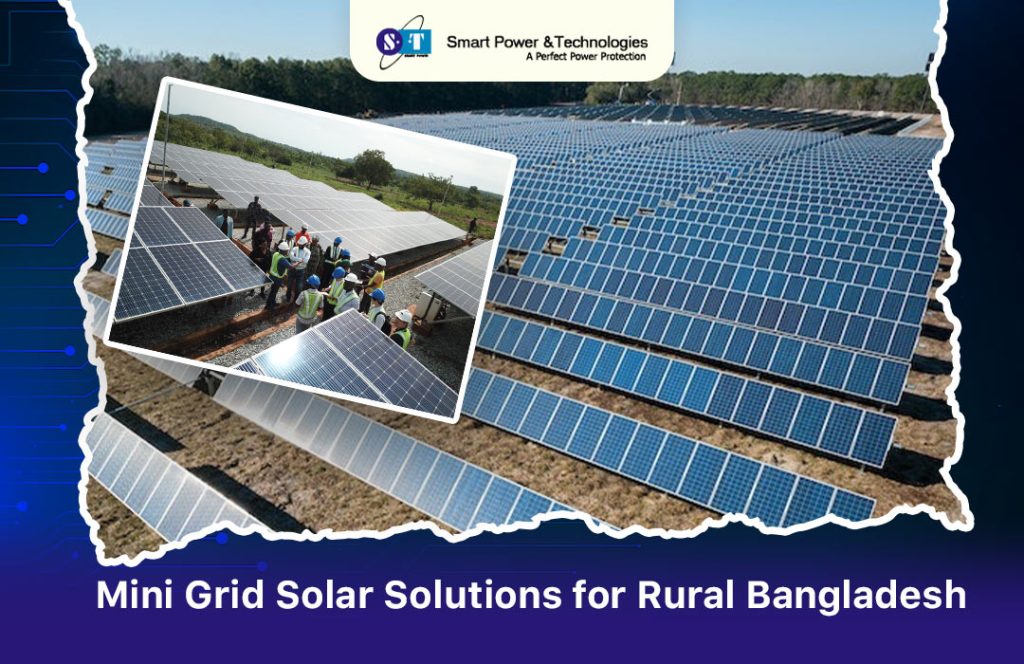
Bangladesh has made remarkable progress in expanding electricity access over the past decade. However, many rural and remote areas still face challenges such as unreliable power supply, frequent load shedding, and limited access to the national grid. These challenges directly affect education, healthcare, agriculture, and economic development in rural communities.
Mini grid solar solutions have emerged as one of the most effective and sustainable ways to address these problems. By harnessing solar energy, mini grids provide reliable electricity to villages, schools, hospitals, small businesses, and agricultural operations without depending entirely on the national grid.
For a country like Bangladesh, where sunlight is abundant throughout the year, solar mini grids offer an excellent opportunity to improve rural livelihoods while supporting environmental sustainability.
At Smart Power Ltd, we believe that renewable energy technologies can play a vital role in building a greener and more energy-efficient Bangladesh.
What is a Solar Mini Grid?
A solar mini grid is a small-scale electricity generation and distribution system that uses solar photovoltaic (PV) panels to produce electricity. Unlike traditional solar home systems that power a single household, a mini grid can supply electricity to multiple users within a community.
A typical solar mini grid system consists of:
- Solar PV panels
- Battery energy storage systems
- Inverters
- Charge controllers
- Distribution lines
- Smart monitoring systems
- Backup power options (if required)
These systems are designed to provide electricity to:
- Rural households
- Educational institutions
- Community centres
- Agricultural facilities
- Healthcare centres
- Small and medium businesses
- Commercial establishments
Mini grids can operate independently or be integrated with the national electricity network when available.
Why Rural Bangladesh Needs Solar Mini Grids
Although Bangladesh has significantly improved national electrification rates, many rural communities continue to experience:
- Unstable electricity supply
- High connection costs
- Frequent power interruptions
- Limited infrastructure development
- Rising fuel costs
- Environmental concerns associated with fossil fuels
Solar mini grids provide practical solutions to these challenges.
Reliable Power Supply
Rural businesses often suffer financial losses due to power outages. Solar mini grids ensure uninterrupted electricity for daily operations.
Improved Quality of Life
Access to electricity improves:
- Education
- Healthcare services
- Communication
- Economic opportunities
- Household comfort and safety
Sustainable Energy Development
Solar power is a renewable and environmentally friendly energy source that reduces carbon emissions and supports Bangladesh’s sustainability goals.
How Solar Mini Grids Work
Solar mini grids operate through a simple but highly efficient process.
Step 1: Solar Energy Collection
Solar panels capture sunlight during the day and convert it into electricity.
Step 2: Energy Storage
Battery systems store excess energy for use during the evening or cloudy weather conditions.
Step 3: Electricity Distribution
The generated electricity is distributed through local power lines to homes, businesses, and institutions.
Step 4: Energy Management
Smart monitoring systems help optimise electricity consumption and improve operational efficiency.
Key Components of a Solar Mini Grid System
Understanding the major components of a mini grid system can help businesses and communities make informed investment decisions.
Solar Panels
High-efficiency solar panels are responsible for converting sunlight into electrical energy.
Battery Storage Systems
Battery banks ensure electricity availability during non-sunlight hours.
Benefits include:
- Reliable backup power
- Enhanced energy security
- Improved power stability
Solar Inverters
Inverters convert direct current (DC) into alternating current (AC), making electricity usable for everyday appliances.
Distribution Network
Mini grids use local distribution systems to supply electricity across multiple buildings or users.
Monitoring Systems
Modern solar solutions include remote monitoring technologies that provide real-time performance insights.
Benefits of Mini Grid Solar Solutions in Rural Bangladesh
1. Affordable Energy Solution
Solar mini grids reduce dependence on expensive diesel generators and conventional fuel sources.
Long-term benefits include:
- Lower electricity costs
- Reduced maintenance expenses
- Minimal fuel costs
- Improved return on investment
2. Energy Independence
Communities no longer need to rely solely on the national power grid.
Advantages include:
- Reliable electricity
- Reduced load shedding issues
- Greater operational control
3. Economic Growth
Electricity access encourages:
- New business opportunities
- Job creation
- Local entrepreneurship
- Increased agricultural productivity
4. Better Educational Facilities
Schools can utilise electricity for:
- Computers
- Digital learning systems
- Lighting
- Internet connectivity
Students benefit from improved learning environments and extended study hours.
Solar Mini Grids for Agriculture
Agriculture remains one of Bangladesh’s largest economic sectors.
Solar mini grids can significantly improve agricultural productivity by powering:
- Irrigation pumps
- Cold storage facilities
- Grain processing machines
- Agricultural equipment
- Water purification systems
Farmers can benefit from reduced operational costs and increased productivity.
Solar-Powered Irrigation
Traditional irrigation systems often depend on diesel-powered pumps.
Solar-powered irrigation offers:
- Lower fuel costs
- Reduced carbon emissions
- Reliable water supply
- Sustainable farming practices
Solar Mini Grids for Healthcare Facilities
Healthcare services in rural areas require uninterrupted electricity.
Solar mini grids can power:
- Diagnostic equipment
- Refrigeration systems
- Emergency lighting
- Communication devices
- Medical laboratories
Reliable electricity enables healthcare providers to deliver better patient care and improve emergency response capabilities.
Solar Mini Grids for Small Businesses
Small businesses are the backbone of rural economies.
Solar mini grids can support:
- Grocery shops
- Tailoring businesses
- Restaurants
- Internet cafes
- Printing services
- Retail stores
- Manufacturing workshops
Access to affordable electricity helps businesses:
- Increase productivity
- Reduce operating costs
- Improve customer service
- Expand working hours
Environmental Benefits of Solar Mini Grids
Bangladesh faces growing environmental challenges, including climate change and carbon emissions.
Solar mini grids contribute to environmental sustainability by:
- Reducing greenhouse gas emissions
- Promoting renewable energy adoption
- Lowering dependence on fossil fuels
- Supporting sustainable development goals
Solar energy is clean, renewable, and abundant, making it an ideal solution for rural electrification.
Challenges Faced by Rural Communities
Despite rapid electrification, many communities continue to experience:
Limited Grid Connectivity
Remote areas often remain difficult and costly to connect to the national grid.
High Fuel Costs
Diesel generators require ongoing fuel expenses, which can become financially burdensome.
Infrastructure Limitations
Power infrastructure development in remote areas may take years to complete.
Climate Vulnerability
Bangladesh is vulnerable to:
- Floods
- Cyclones
- Natural disasters
Solar mini grids provide decentralised energy systems that improve community resilience during emergencies.
Government Support for Renewable Energy in Bangladesh
Bangladesh has demonstrated strong commitment to renewable energy development through various initiatives.
Key objectives include:
- Increasing renewable energy adoption
- Improving rural electrification
- Reducing carbon emissions
- Encouraging private sector investment
Solar mini grids align closely with these national development goals.
Why Solar Mini Grids are Ideal for Bangladesh
Bangladesh enjoys significant solar potential due to its geographical location.
Advantages include:
- High solar radiation levels
- Growing energy demand
- Large rural population
- Strong renewable energy policies
- Increasing public awareness
Mini grid systems are particularly suitable because they:
- Require relatively low maintenance
- Offer scalability
- Provide long-term energy security
- Reduce operational costs
Applications of Solar Mini Grid Systems
Mini grid solutions can be implemented in various sectors.
Residential Communities
- Lighting
- Fans
- Refrigerators
- Television
- Mobile charging
Educational Institutions
- Smart classrooms
- Computer laboratories
- Internet facilities
Healthcare Facilities
- Medical equipment
- Refrigeration
- Lighting systems
Agricultural Facilities
- Irrigation
- Food processing
- Water pumping
Commercial Establishments
- Offices
- Retail stores
- Manufacturing units
Factors to Consider Before Installing a Solar Mini Grid
Before implementation, several factors should be evaluated.
Energy Demand Assessment
Determine:
- Daily electricity consumption
- Peak load requirements
- Future expansion needs
Site Evaluation
Assess:
- Available installation space
- Solar exposure
- Environmental conditions
Battery Capacity
Choose battery storage systems capable of meeting energy requirements during nighttime operation.
System Scalability
Ensure that the system can accommodate future growth.
The Future of Solar Mini Grids in Bangladesh
The future of renewable energy in Bangladesh is promising.
Emerging technologies are improving:
- Solar panel efficiency
- Battery storage capacity
- Smart energy management systems
- Remote monitoring capabilities
As technology becomes more affordable, solar mini grids will become increasingly accessible for rural communities.
Potential future applications include:
- Smart villages
- Solar-powered industrial zones
- Digital education centres
- Sustainable agricultural communities
Why Choose Smart Power Ltd?
Choosing the right solar energy provider is essential for ensuring system performance, reliability, and long-term value.
Smart Power Ltd offers comprehensive solar energy solutions tailored to the unique needs of residential, commercial, and industrial clients.
Our commitment includes:
- High-quality solar technologies
- Professional consultation services
- Reliable system design
- Efficient project implementation
- Sustainable energy solutions
- Customer-focused support
Whether you are planning a rural electrification project, a commercial solar installation, or a large-scale renewable energy initiative, Smart Power Ltd is dedicated to delivering innovative and dependable solar solutions across Bangladesh.
Internal Linking Suggestions
To improve SEO and user experience, add internal links within this blog to the following pages on your website:
- Home Page
- About Us
- Solar Power Solutions
- Solar Power Plant Services
- Commercial Solar Solutions
- Industrial Solar Solutions
- Renewable Energy Services
- Contact Us
Suggested anchor texts include:
- Solar Power Solutions in Bangladesh
- Commercial Solar Installation Services
- Industrial Solar Energy Systems
- Renewable Energy Solutions
- Contact Smart Power Ltd Today
Frequently Asked Questions (FAQs)
What is a solar mini grid?
A solar mini grid is a decentralised electricity generation and distribution system that uses solar energy to supply power to multiple users within a community.
Is a solar mini grid suitable for rural Bangladesh?
Yes. Bangladesh’s climate and growing energy demand make solar mini grids highly suitable for rural electrification projects.
Can solar mini grids support agricultural operations?
Absolutely. They can power irrigation systems, water pumps, cold storage units, and agricultural machinery.
Are solar mini grids environmentally friendly?
Yes. Solar energy is clean, renewable, and helps reduce carbon emissions.
How long do solar mini grid systems last?
With proper maintenance, solar panels can last more than 25 years, while battery systems and other components have varying lifespans depending on their specifications.
Are solar mini grids cost-effective?
Yes. Although the initial investment may vary, solar mini grids provide substantial long-term savings through reduced energy costs and minimal fuel requirements.
Conclusion
Mini grid solar solutions are transforming the energy landscape of rural Bangladesh. They offer reliable, affordable, and environmentally sustainable electricity for households, businesses, educational institutions, and healthcare facilities. As Bangladesh continues its journey towards renewable energy adoption, solar mini grids will play a crucial role in empowering rural communities and driving economic growth.
By investing in modern solar technologies today, Bangladesh can build a more resilient, sustainable, and energy-efficient future. Smart Power Ltd is committed to supporting this transformation by delivering innovative solar energy solutions that meet the evolving needs of communities and businesses across the country.